Rekeying vs Replacing Locks After Buying a Home
When you take possession of a new house, one of the first practical questions is what to do about the exterior locks. You have no idea who else might have a key: the previous owner, a neighbour, a tradesperson, or a relative. The standard advice is to change or rekey every exterior door, including the garage entry and any deadbolts. But which approach makes sense for your situation? Understanding the difference between rekeying and replacing locks helps you decide without overspending or leaving a security gap.
What rekeying involves
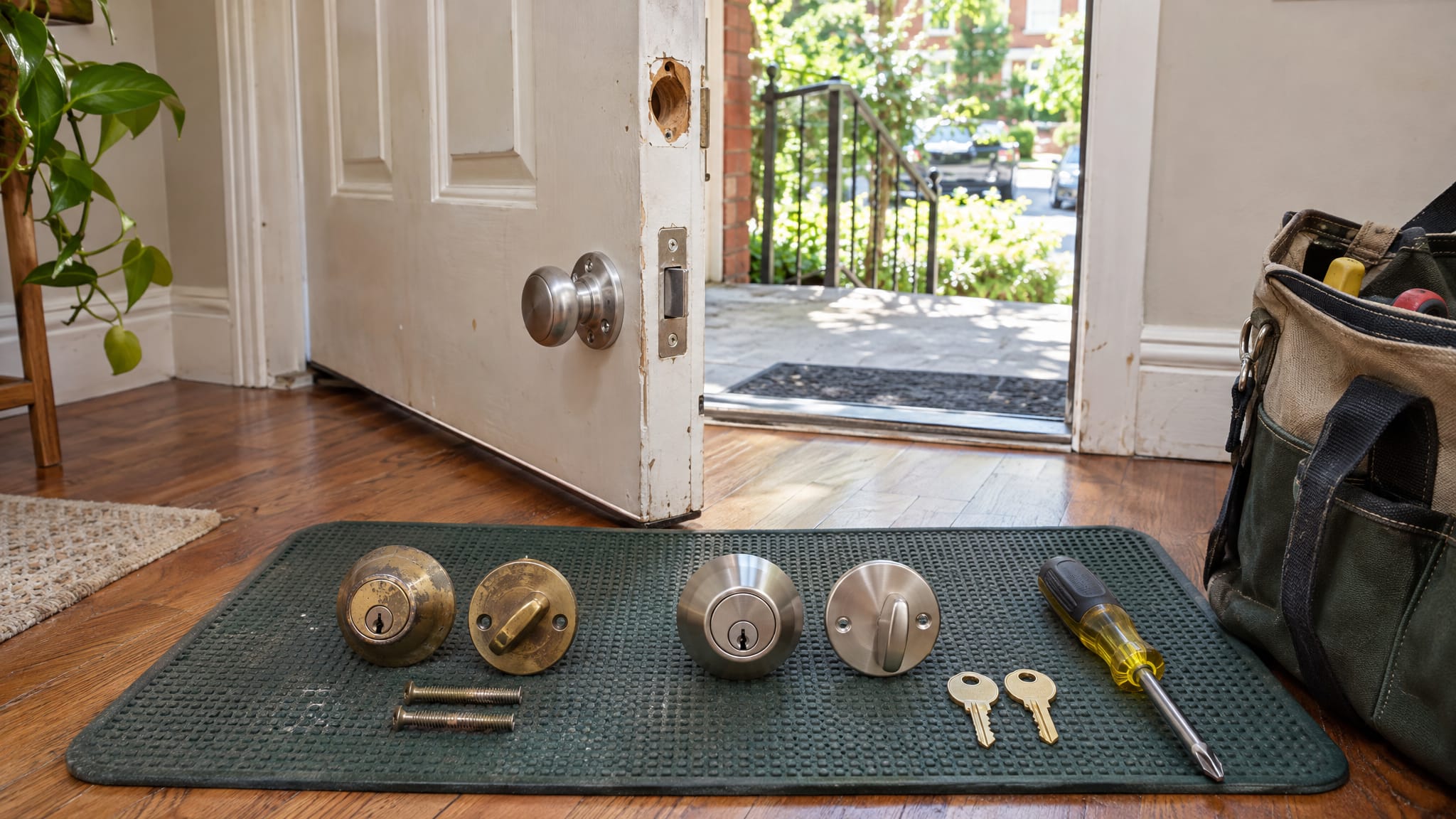
Rekeying means changing the internal pins and springs inside the lock cylinder so that the old key no longer works. A locksmith removes the cylinder, installs a new set of pins that match a different key, and reassembles the lock. The hardware on the door - the handle, the deadbolt, the strike plate - stays the same. You get new keys, and the old ones become useless.
This process works well if your existing locks are in good condition and you like the style or finish. It is also faster than removing and installing entirely new hardware, and it avoids drilling holes or patching the door. For a house with several matching locks, rekeying them all to the same key is a common request. That is where the idea of same key locks comes in: you want one key to open the front door, the back door, and the garage entry without carrying a bunch of different keys. A locksmith can rekey each cylinder so they all work with the same key, which is convenient for everyone in the household.
When replacing locks makes sense
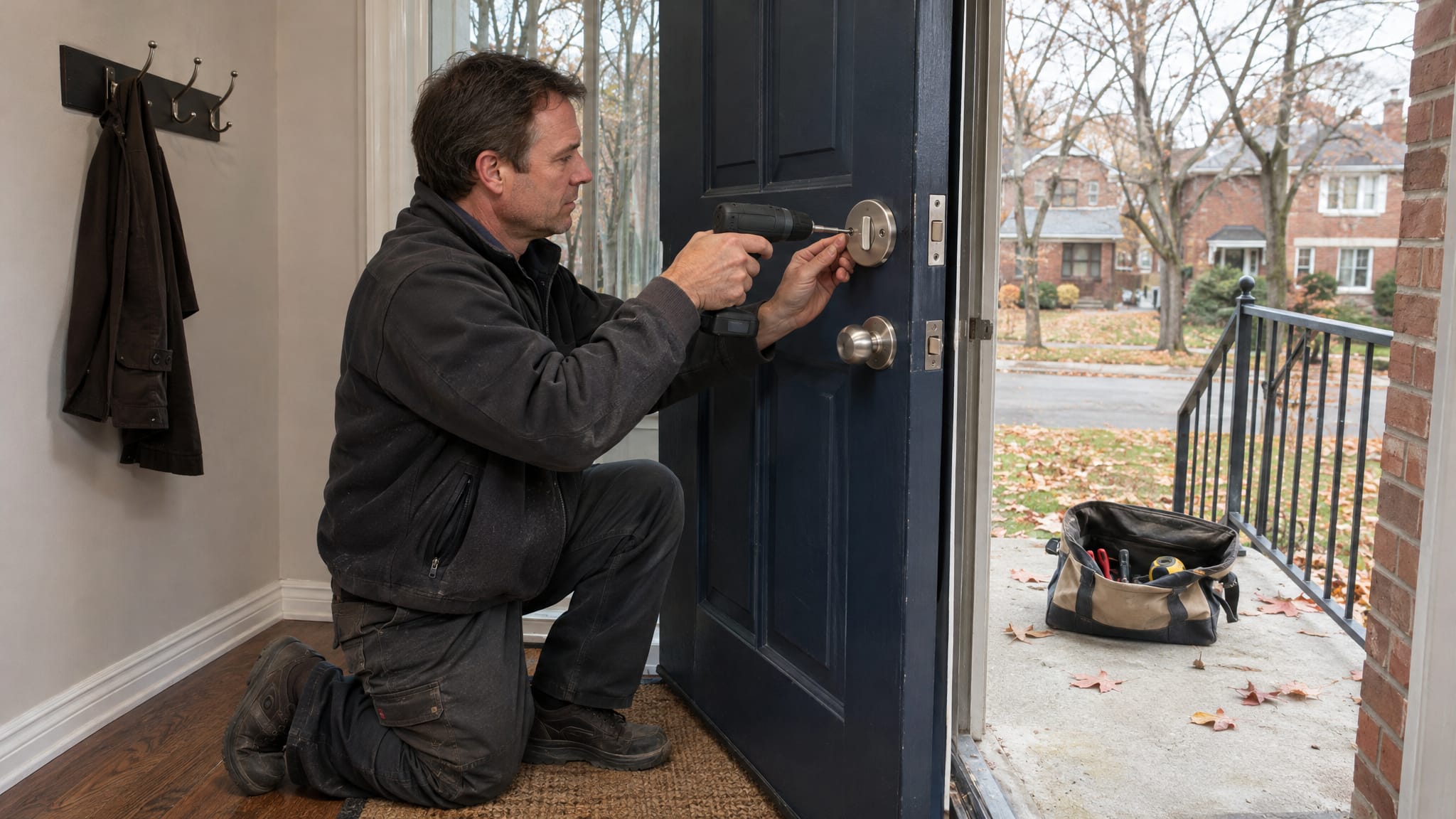
Replacing a lock means taking off the entire assembly - handle, deadbolt, cylinder, strike plate - and installing a new unit. This is necessary when the existing hardware is worn, damaged, or outdated. For example, an old lock that sticks or has a loose handle is a candidate for replacement. Similarly, if you want to upgrade to a higher security grade, such as moving from a basic spring latch to a hardened deadbolt, replacement is the way to go.
Another reason to replace is if the lock cylinder is not rekeyable. Some lower-cost locks have cylinders that are designed to be thrown away when the key is lost. A locksmith can tell you whether your specific make and model can be rekeyed. If not, replacement is the only option. Also, if you are changing the door itself or the door's thickness, the old lock may not fit the new door, so a new lock is required.
Comparing the two approaches
The main trade-off is cost versus convenience. Rekeying is generally less expensive than buying new hardware, especially if you have several doors. It also preserves the existing look of your doors, which matters if you have a matched set of handles and do not want a mismatched appearance. However, rekeying does not address worn-out mechanical parts. A lock that is hard to turn or that has a loose handle will still feel the same after rekeying. Replacement solves those physical issues but costs more and may require additional work to fit the new hardware properly.
Time is another factor. A locksmith can rekey a cylinder in minutes per door, while installing a new lock can take longer, especially if the new unit has a different shape or size that requires drilling new holes or adjusting the strike plate. For a quick solution on moving day, rekeying is often the faster route. For a long-term improvement, replacement may be worth the extra effort.
What about the garage and other entries
Do not forget the garage entry, basement walkout, or side doors. These are often overlooked because people focus on the front door. But a garage door that opens with a key, or a service door leading into the garage, is just as vulnerable. Rekeying those to match the rest of the house keeps your keychain simple. If you have an automatic garage door opener, the keyed lock on the service door still needs attention - the previous owner's key might open it.
Deadbolts are another area where rekeying works well. A single-cylinder deadbolt can be rekeyed just like a doorknob lock. If you have a double-cylinder deadbolt that uses a key on both sides, the same process applies. The locksmith will make sure the deadbolt and the knob lock operate with the same key, so you are not fumbling with two keys for one door.
Making the decision for your new home
Start by looking at the condition of each exterior lock. If the hardware is in good shape and you like the style, rekeying is a sensible choice. If any lock feels sticky, wobbly, or is over 10 years old, consider replacing it. Also, check whether your locks are from a brand that supports rekeying. Many common residential brands do, but some budget models do not.
Another factor is the number of key copies you will need. After rekeying, the locksmith provides a set of new keys. You can order additional copies from any hardware store or online, as long as you have the original. Just keep the key code safe, because that code is what a locksmith uses to cut extra blanks. If you lose all copies, you will need to rekey again.
If you plan to rent out the property later, having all locks keyed alike makes it easier to manage tenant access. You can give one key for all exterior doors, and if a tenant moves out, you only need to rekey one cylinder to change the whole set. This is a common practice among landlords who want to keep security simple.
For a thorough evaluation of your specific locks, a local locksmith can inspect each door and advise on rekeying versus replacement. A resource like lockchangenorthyork.com provides information on rekeying services for homeowners in North York. Checking their details can help you understand the process before calling a professional. Remember that your safety after a property handover depends on controlling who has keys, and either rekeying or replacing achieves that goal.
Practical steps to take
Here is a simple checklist to follow after you close on a house:
- List all exterior doors, including the garage entry and any basement walkout.
- Inspect each lock for wear, rust, or difficulty turning.
- Decide whether to rekey or replace based on condition and budget.
- Contact a locksmith to schedule the work for all doors at once.
- Collect the new keys and store a spare in a safe place.
If you choose to rekey, ask the locksmith to key all cylinders to the same key. This is the same key locks approach that makes daily life easier. If you replace, consider buying locks that are designed to be rekeyed in the future, so you have that option later.
When you might want different keys
There are situations where having separate keys is better. For example, if you have a rental unit with a separate entrance, you may want the tenant to have a key only for their door, not for your main house. Similarly, if you have a workshop or a garage that you want to restrict access to, a different key for that door makes sense. The same key locks idea is about convenience, not about forcing all doors to match. Think about how you use each door and who should have access.
Final thoughts
Rekeying and replacing are both valid options after a house purchase. The choice depends on the condition of your hardware, your budget, and how much convenience you want. Rekeying is quick, inexpensive, and keeps your doors looking the same. Replacement addresses mechanical issues and allows an upgrade. Either way, the goal is the same: ensure that only you and your family have keys to your new home. For more specific guidance on rekeying services in your area, you can look up lockchangenorthyork.com to see what is available locally. Taking action on moving day gives you peace of mind and one less thing to worry about later.